
Mike White on awe in everyday experiences

Mike White is a graduate student in the Choice Architecture Lab at Columbia University, with a bachelor’s degree in psychology and philosophy from Elmhurst University. Mike's research aims to create workplaces that better promote social, behavioral, and biological well-being. He uses a variety of methods, including psychophysiology, economic games, and field experiments, to understand the antecedents and consequences of prosocial behavior and inclusivity in organizations, often through the lens of how emotions—such as awe—shape how people engage with their work and with one another. Specifically, he focuses on the psychological and behavioral processes that enable people and organizations to thrive, examining how inclusivity is fostered, the conditions that sustain it, and the outcomes it shapes for individuals, relationships, and organizations. He has received a research grant from ISSEP and has won the Best Student Paper Award from the Academy of Management.
Mike on the web: Personal website | Columbia Choice Architecture Lab page | Google Scholar
By Grace Rivera, University of Mississippi. May 20, 2026.
ISSEP: How did you first become aware of and interested in existentialism and the science of existential psychology?

Mike White: I think I got lucky, because I started undergrad as a biology major at a smaller liberal arts school and as a first year, I joined the honors program. One of the electives I picked was honors ethics, which focused on the study of moral responsibility. My professor was really interested in discussing questions around who's worthy of praise or blame for their actions. But a lot of times, what happened in these discussions was that students’ own beliefs about themselves and the world around them strongly shaped their beliefs about questions of praiseworthiness, responsibility, and free will. I found myself really excited thinking about how people approached those questions.
I think the prototypical thing that comes to mind when people imagine an honors ethics class about moral responsibility are classic moral dilemmas like a trolley problem. But my professor took this idea into lower-stakes, “everyday trolley problems.” For example, giving someone tough feedback, or doing a small harm to ultimately do good. For example, in healthcare doctors often must cause small pain (like a needle injection) for someone’s long term well-being. These everyday trolley problems were some of the richest conversations we had. We started some classes with conversations about free will and determination, and some people strongly spoke that we can't blame anyone for anything, while other people were thinking that we have to believe in free will, even though, maybe we don't have strong evidence for it, because it leads us to live life a certain way. So, I think taking some of those classic problems and distilling them down to the types of trade offs we have every day was super fun and exciting.
I thought I wanted to go pre-med and be a medical doctor, but the questions we were asking in this class were so fun, so my advisor suggested I take more classes in philosophy and psychology! I think what really confirmed it for me was a capstone course, in my last year, about the psychology of happiness. And, again, we spent a lot of time addressing how people think about meaning and what they think about pursuing their authentic selves and how it could shape well-being.
When I wanted to be a medical doctor, what I really cared about was people's well-being from a physical sense, but realizing that this more mental, eudaimonic sense matters too was really exciting. So, I spent time training as a lab manager with Dr. Emma Levine, and her HOPE Lab (Honesty, Opportunity, Prosociality and Ethics). I thought that was the perfect recipe for existential questions. So, I got lucky, I think, and found those interests, and have been able to continue cultivating them as a graduate student.
ISSEP: You've been doing some great research in existential psychology lately; can you tell us more about your work?
Mike White: I'm really interested in bringing existential psych into people's professional lives and into organizational spaces. One way is through everyday awe experiences. We typically think about awe as this emotion we feel in response to really big things. For example, the 2024 solar eclipse in New York was this prototypical, giant moment of awe that I got to collect field data around. And of course, when you study awe, people often recall “vast” places or experiences, such as going to the Grand Canyon or going to the Metropolitan Museum of Art in New York City.

Awe often involves appreciating the vast scale of an object or phenomenon. People can experience awe when, for example, (left to right, from upper row) skygazing and reflecting on the vastness of the universe, experiencing a cosmic event such as a solar eclipse, considering the immense time-scale and beauty of the grand canyon, or appreciating the great depths of human values and creativity at art museums.
But one example that really stood out to me in my awe research was when someone talked about feeling awe on the New York subway. To me, that seemed totally inconsistent with what I’d read about awe. So, I started to think about “little awe” in the mundane, such as noticing someone else being particularly kind on the subway. This got us thinking: Sure, “big awe” matters, but are we missing out on opportunities to feel “little awe” in our everyday life?
That realization opened a door for my colleagues and I to start our research on awe in everyday life. Not everyone can visit the Grand Canyon and it's going to be decades before we have another solar eclipse in New York City. So, we looked at past research to try to develop strategies people could use to experience “little awe” in their everyday surroundings, rather than needing to seek out special places or stimuli for a “big awe” experience.
That goal led us to the savoring literature. We thought, perhaps if one can take more time in a moment, be a little more present, really pay attention to the sensory details, one can capitalize on an everyday moment and experience a sense of awe. For example, if I savor a moment, maybe I notice myself experiencing an awe-related need for accommodation when I see something I didn't expect on the subway. Or, if I think about how large New York city really is, which I don’t always take the time to stop and think about, will I experience more awe? We studied these kinds of savoring experiences in a couple different settings.
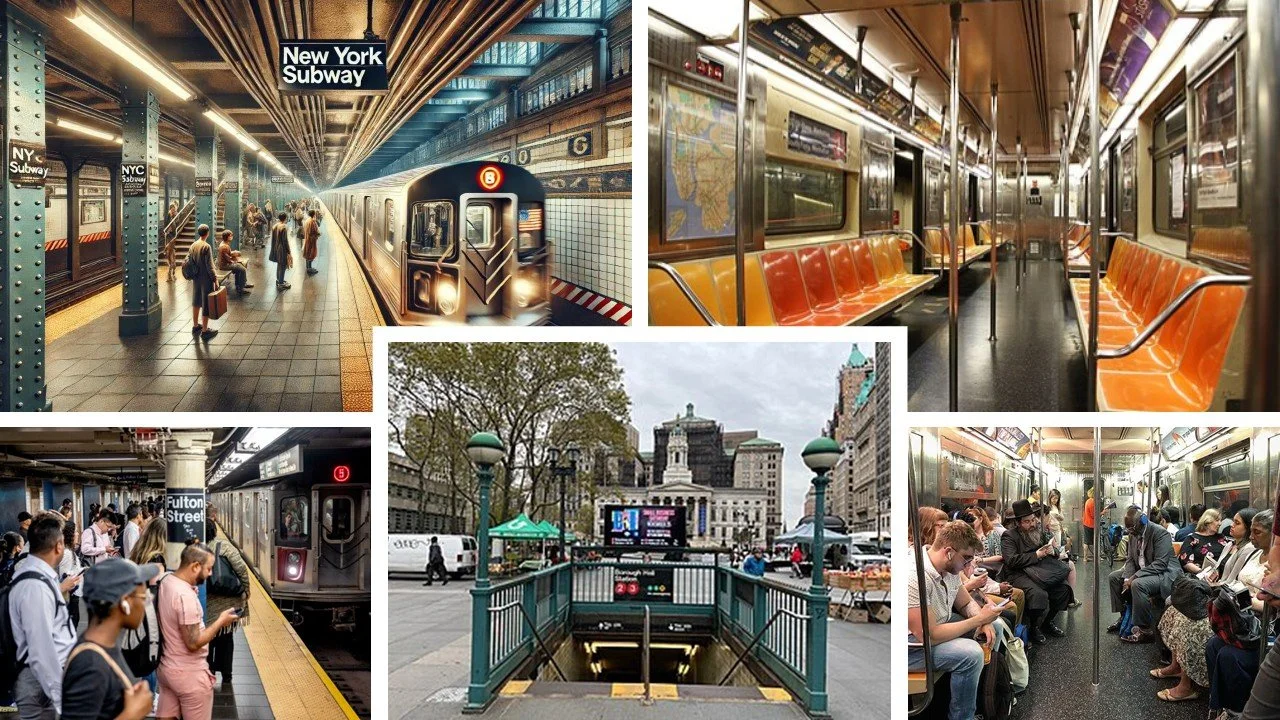
Mike White argues that “little awe” can be felt if one stops to appreciate how everyday experiences, such as a subway ride or a street mural, are integral parts of our vast social and cultural systems.
For example, in one field study on the NYC subway. First, we sent out research assistants onto different stops in the Upper West Side to recruit people during commuting hours, often on their commute home from work. The research assistants wore vests and giant sandwich-board asking people to complete a study during their commute in exchange for a $5 gift card. All they had to do was scan a QR code and get on the subway; then, we sent them a link about 15 minutes later, asking them about their activities and emotions on the subway: How long did you commute? What did you do during your commute? How positive did you feel? How much awe did you feel?
For half of the commuters, we did not give them any special instructions; they just rode their commute, like normal, and completed our survey. Unsurprisingly, most people didn't have a positive experience, and they also didn't feel a lot of awe.
However, for the other half of the commuters, we gave them instructions designed to encourage them to savor the moment, such as: “Pay really close attention to what's going on around you. Can you try to memorize the details for later? Can you think about how what’s going on expands your current understanding?” These savoring strategies didn't impact how positive participants felt, but it did cause them to feel a lot more awe!
That finding is very exciting, especially during an experience that is typically so unpleasant. That strategy might work even better for things that are naturally a bit more pleasant or positive, such as listening to music or reading. But this research demonstrated that, even in familiar and mundane experiences, it’s possible to experience “little awe” in our everyday surroundings!
ISSEP: How does this work help us make sense of important human experiences, better understand important events, or inform cultural or technological trends?
Mike White: In philosophy of art, scholars often talk about how art can impact people through different mechanisms—such as causing people to reflect on or savor something familiar and otherwise mundane. I think that’s really interesting, because our research also converges on that idea, finding that this deep cognitive savoring process can help you to potentially feel a sense of awe, change how you view something in particular, how you make a judgment, and maybe even expand your world view. Those seem like rich opportunities for existential psychology in general.
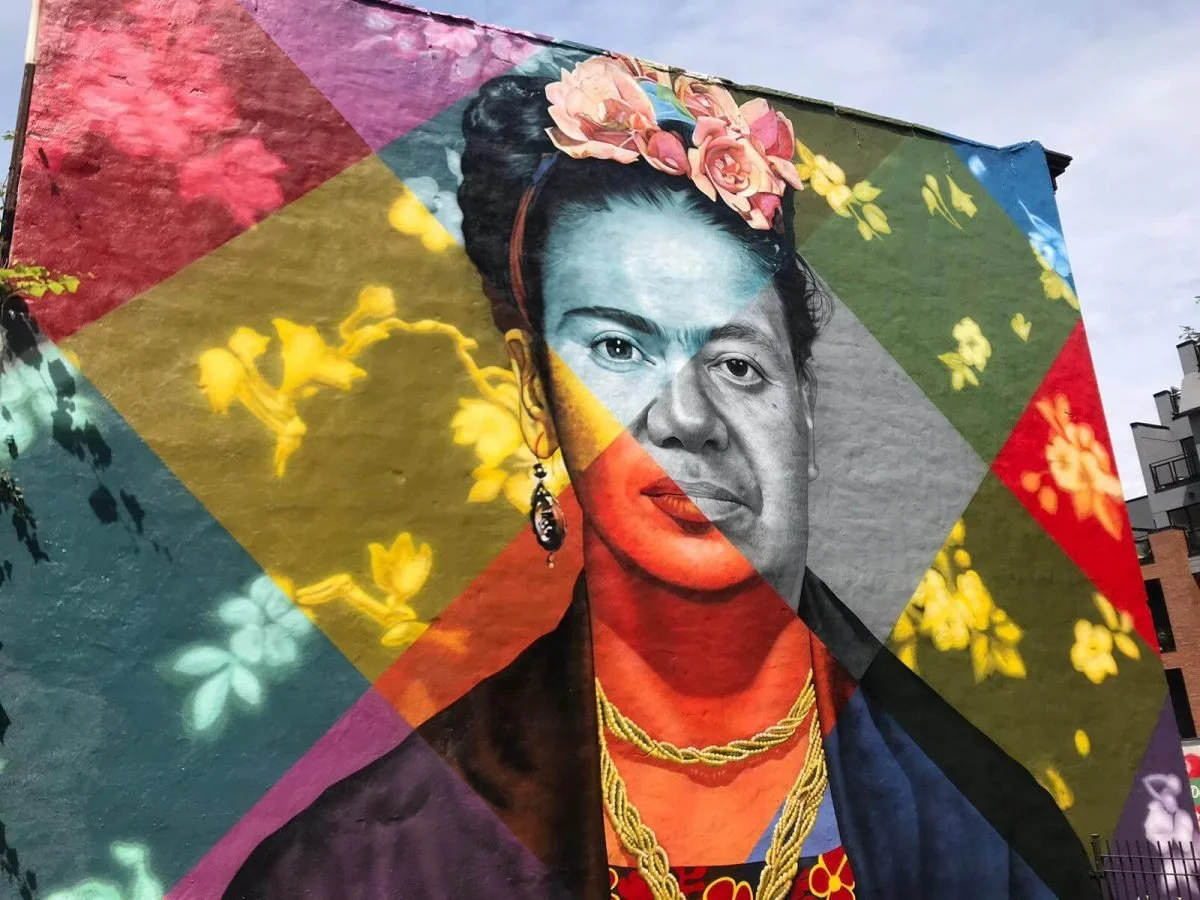

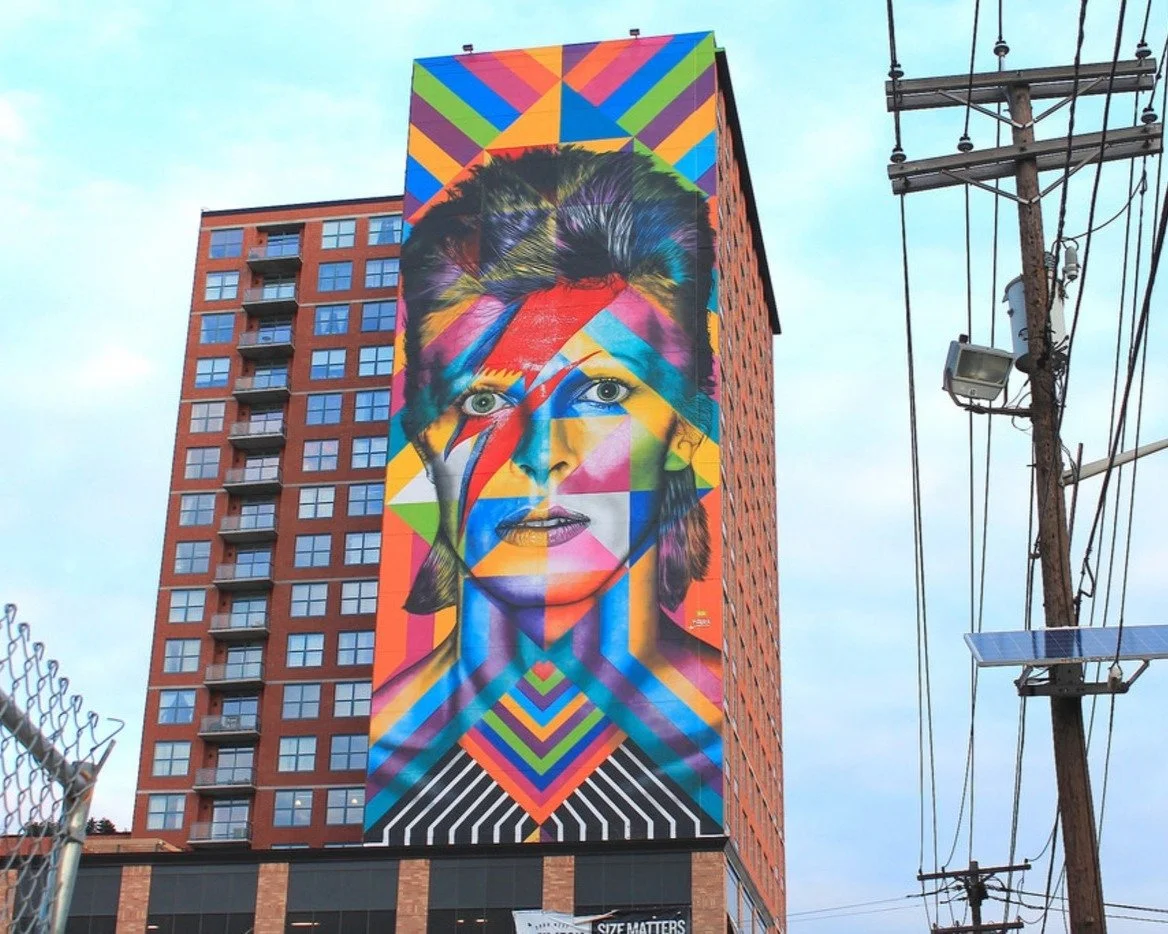

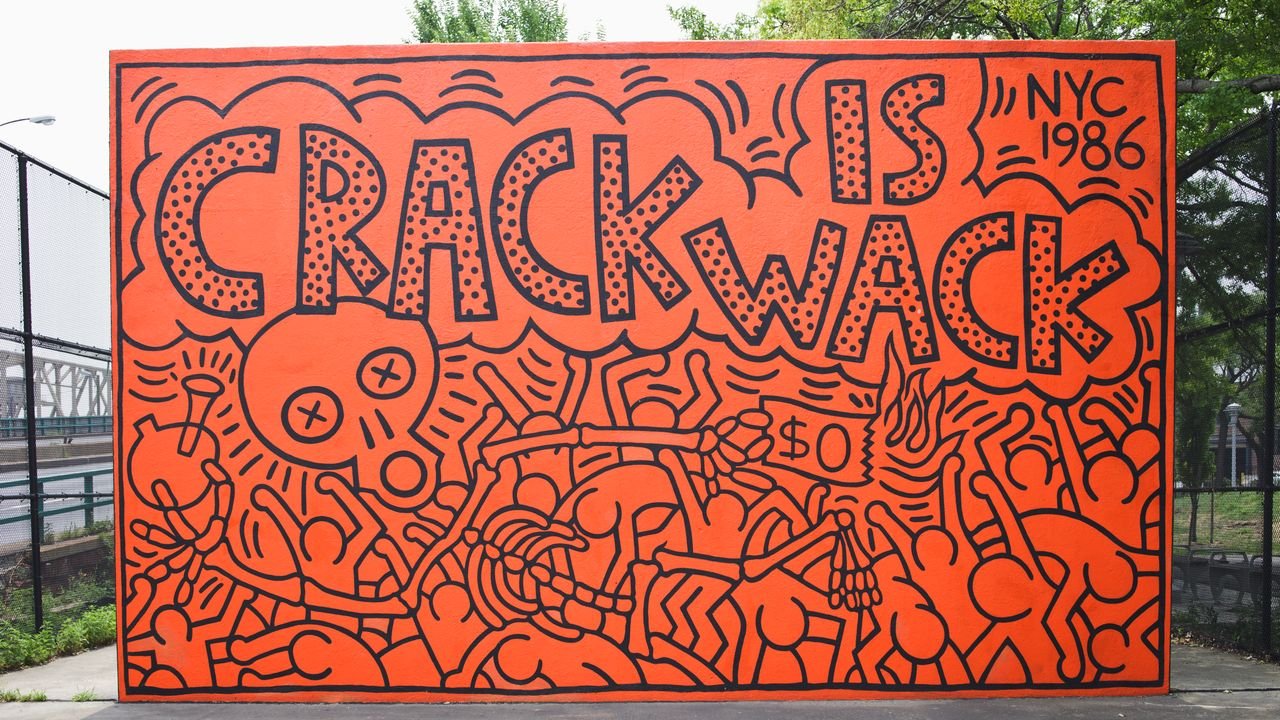
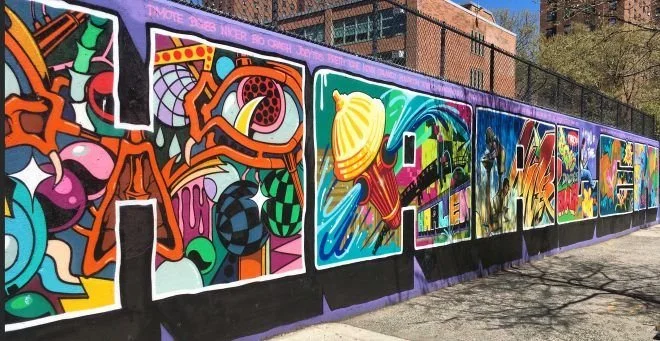
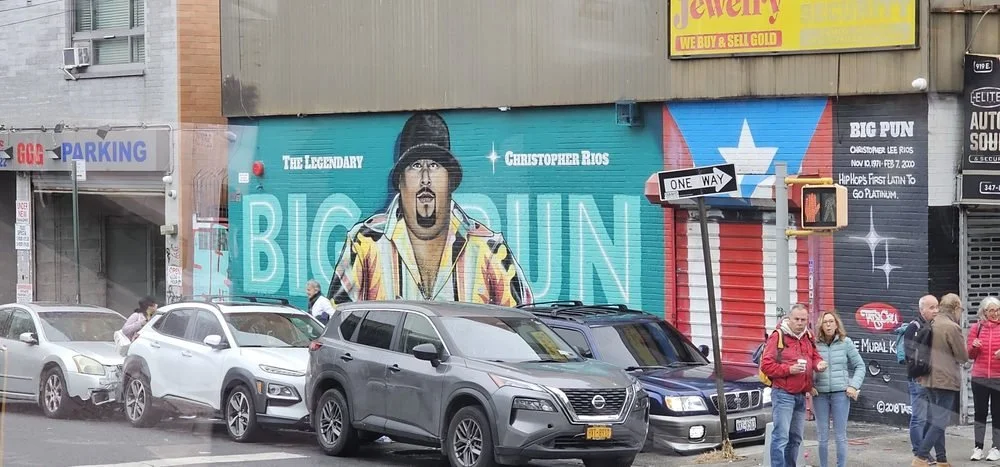
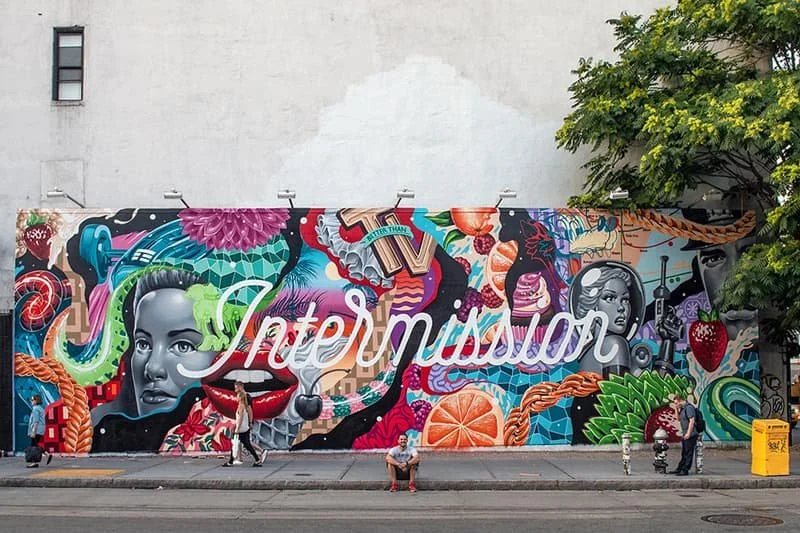

I think this could also have implications for times where we need people to change their minds, or at least to be open to trying to understand another person's perspective. So, if we can experience more awe by savoring an everyday moment, then we may become more open to new people, cultures, and ideas. That's really exciting to me.
We can also try to use some of these strategies on our own. For example, you might be walking on a street you’ve walked so many times, but this time you stop to notice that huge mural on the side of the building next to you. Or you might typically be in a “go, go, go” mentality, not paying much attention while moving from place to place, but then you might notice someone stopping the flow to be kind, and you might experience a sense of awe at that moral beauty. “Little awe” experiences like that—where we appreciate the larger social, cultural, and intellectual world around us—might cause us to be more open minded and appreciate everything the world has to offer.
ISSEP: Do you see these topics when you look at the arts and humanities?
Mike White: Totally! I think about awe being one of the quintessential emotions in so many artistic spaces, especially when the experiences they’re designed to promote are well cultivated.
I also get excited, too, about bringing art-inspired awe experiences into organizations. When I worked at Booth School of Business, before grad school, one of the things I loved was that the actual inside of the building is a rotating art gallery. It was a great illustration that even business organizations can take advantage of the walls and physical spaces to present art and give people a chance to savor something new and awe-inspiring about their surroundings, connect with others, and think about the world in new ways.
ISSEP: Do you see any other implications for promoting awe in the everyday work place?
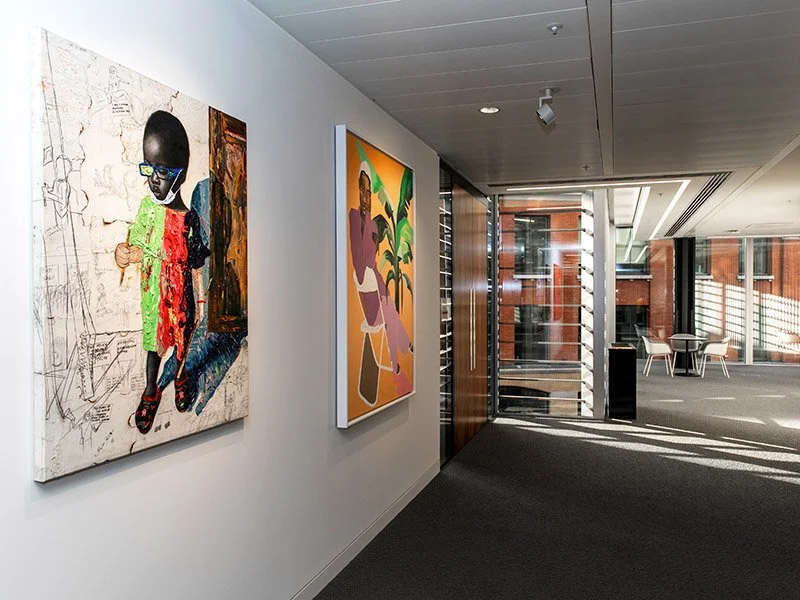
An example of some of the art installations curated by the Chicago Booth School of Business.
Mike White: It's exciting because, on the one hand, we can take prototypical awe-elicitors and think about them at work. But, on the other hand, there are sources of awe in work that we haven't fully understood yet, and I'd be so excited to do research on that in the future.
For example, when we've asked the MBAs at Columbia to “Tell us about a time you felt awe at work,” some talk about their leaders, how impressive somebody was, or times they saw someone exhibit competence that was so vastly brilliant it changed what they thought was possible. Other people have talked about the impact they've personally made on others. They talked about moments where they were so immersed in the work, they didn't even think about how it could benefit a client or coworker, and realizing that surprised them; it made them take a step back, appreciate the bigger picture, and made them feel a sense of awe.
I'd love to better understand those moments, because if we could do a better job highlighting how our organizations and the related work fit into the bigger picture, maybe people could feel a more awe-inspired sense of connectedness to their work, think it's more meaningful, and be more appreciative of other people, cultures, and ideas. These are experiences that are so important in people's careers and professions.
ISSEP: What do you think are some important next steps toward better understanding these experiences?
Mike White: Well, we know that, on average, this savoring strategy seems to help people. But there's variation. When we looked at the qualitative responses, after we asked people to tell us about their subway commute, some people, even in the savoring condition, talked about how much of an awful time they had. So, we're wondering if savoring might backfire for some people?
We have some initial evidence that these effects might rely on how naturally curious people are. Some people are curious about the world, so giving them the opportunity to try these strategies might be really exciting. They notice novel things, they get excited trying to assign meaning to the experience that they're currently having, and so they might really benefit from the strategy and feel a lot of awe. On the other hand, for people low in curiosity, savoring might not be the most helpful strategy. It might draw their attention to and heighten unpleasant stimuli.
So, I think learning more about who benefits most from these strategies is really important. Eventually, hopefully we’ll be able to know more about which strategies work for which people, in order to maximize the benefits of the interventions we're trying to do.
“Get a bit more interdisciplinary... think about how your research questions might translate across fields.”
ISSEP: You have presented at the ISSEP Existential Psychology Preconference. How was that experience?
Mike White: I loved getting a chance for everyone to come together and see what people are working on! I've always appreciated the Data Blitz. I think they are so fun to see. It's almost like when you're at a restaurant, getting a flight of drinks or snacks—you can get a little taste of a lot of different research that's going on. That quick pace gets me so excited about different projects, and I can feel my mind racing, getting excited, jotting notes down, wanting to follow up with people about their work. I feel like they're so generative for the amount of time you have. I've always loved that aspect of the conference.
ISSEP: Can you tell us a bit about yourself outside of the work and research context?
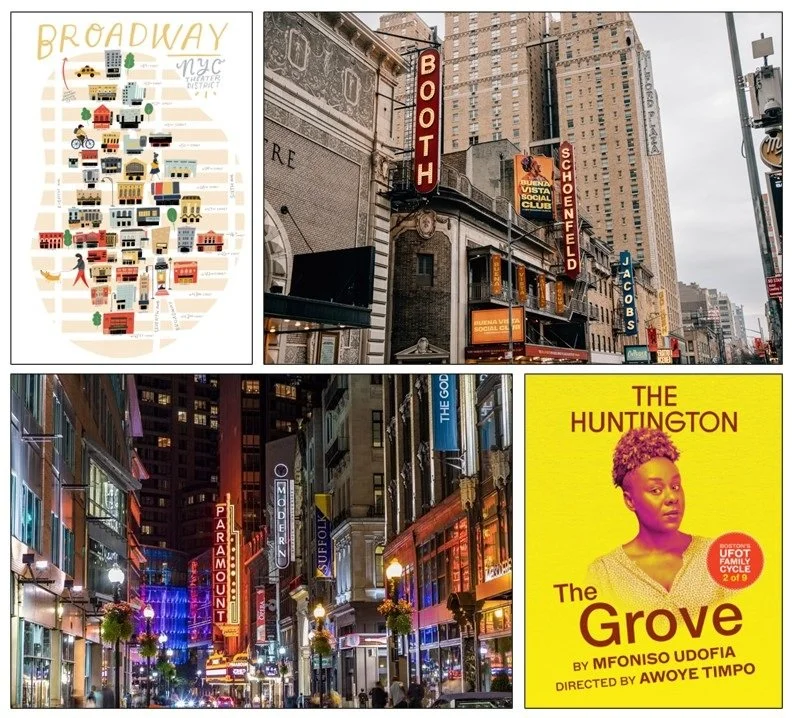
Clockwise from top left: Map of the Broadway theatres; the Booth, Schoenfeld, Jacobs, and Golden theatres; the Boston theatre district; the program cover for The Grove.
Mike White: I'm from Chicago, and my whole family's in Chicago, so I go back every opportunity I can. I love it and feel so full of awe there. I think it's the most amazing city in the world. There are so many different types of architecture in the city, and I highly recommend the Chicago architecture tours; those are my favorite and I’ve gone on them so many times.
I also am an awe-chaser. I love architecture, but also museums and the theater. I’ve loving the theatre in my life right now—I’m here in New York which of course has Broadway, but also my fiancé is in Boston which has a rich theater scene too. So, we became members and got season tickets to the Boston theatres. Recently, we saw a show called “The Grove”, and it was one of my favorite shows of all time. Broadway is huge and amazing, but there's something special about the intimacy of the smaller regional theater in Boston—the shared experience with a small group of people, the actors are right there in front of you, it's so special and fun.
ISSEP: What’s one piece of advice that you'd give to future students who are interested in following in your footsteps so that they, too, can make innovative contributions to the science of existential psychology?
Mike White: I have two pieces of advice, actually, and they kind of go hand in hand.
First, online studies and laboratory studies can of course give us really great opportunities to control an experience to really understand a phenomenon. But I think especially for existential psychology, so much of it happens out there in the world, and so any time we can get out in the field we can learn a lot about real-world implications. So, if you can find ways to do field research, I think it packs such a powerful punch and contribution to the impact of existential phenomena.
My second piece of advice is to get a bit more interdisciplinary. I'm particularly interested in bringing existential psych into business and organizations, but there are so many opportunities to speak to other disciplines. So, think about how your research questions might translate across fields.
ISSEP: A lot of us like to listen to music while working or otherwise; what are you listening to lately?
Mike White: While studying lately, I've had on Aurora’s 2024 album “What Happened to the Heart”, which has this ethereal kind of sound, and the lyrics are beautiful. It also just has beautiful instrumentation, and you can really get into a great flow state as you're listening and working. I really enjoy her music.
Outside of studying, I'm still listening to Charli xcx, the 2024 album “Brat”. I saw her perform and it’s still my favorite concert I've ever seen. It was just so fun and so upbeat. And has themes to me about accepting imperfection and embracing chaos – what is more existential psych than that?
And then, I really love Bad Bunny’s album, DeBÍ TiRAR MáS FOToS. The music is amazing. And again, I think a lot of people are ready for the sound, the club music, but the lyrics and themes are also so very existential—filled with nostalgia and longing back to your past self and family and community. I love it.