
Scroll

News

Each February, eminent and rising scholars meet to share their latest work. The event features a keynote address, special address, research talks, data-blitz, and poster session. See event page for details.

Each year, ISSEP funds a set of research grants (up to $3,000 per project)—well-designed and well-powered studies that have the potential to advance the field and stimulate further research on the topic. Applications due April 15.

Attending the Existential Psychology Preconference? Funding is available! Submit an abstract and apply for awards that recognize excellent research, support students and inclusivity, and highlight special topics.

Nominate yourself or others for our annual Outstanding Student Award ($500), Best Paper Award ($500), and Early Career and Distinguished Career Contribution Awards ($1000 each). Nominations due April 15.
Sign Up For Announcements
Newsletter Block
This newsletter signup form needs a storage option. Edit the block and enter a storage location via the Storage tab.

Features – Fascinating Ideas, Research, & Implications
Features




























Spotlights – Research Findings, Life, & Lifestyles
Spotlights

Mike White’s research examines how savoring can turn familiar experiences into occasions for awe, open-mindedness, and well-being.

Julia Lombard’s research examines how self-transcendent value affirmation shapes intergroup anxiety and cohesion.

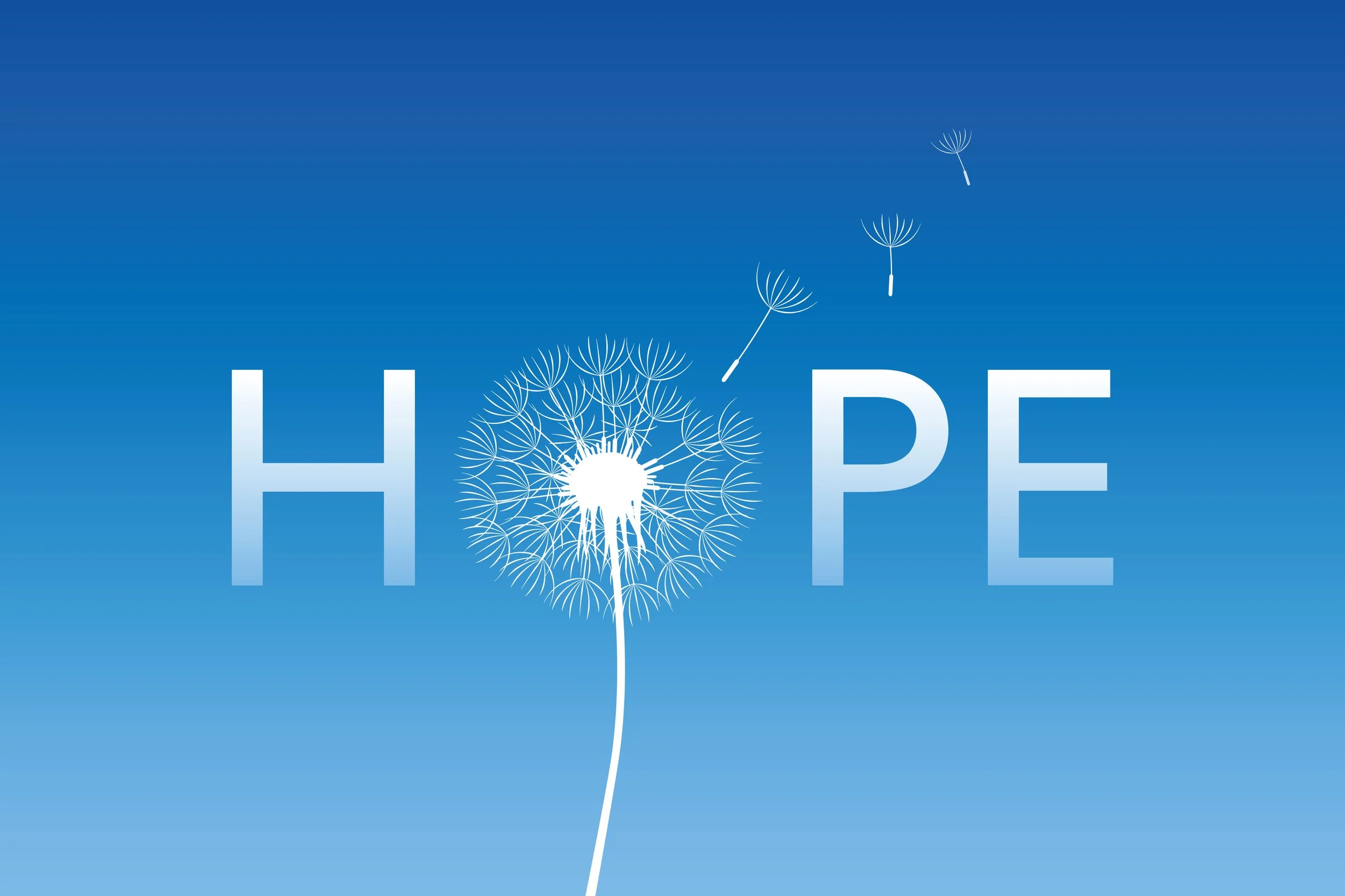
Megan Edwards’ research explores how hope can facilitate a continued sense of meaning and purpose in the face of suffering and adversity.

Hanna Li’s research explores how empathy and egocentrism shape death anxiety across the lifespan.
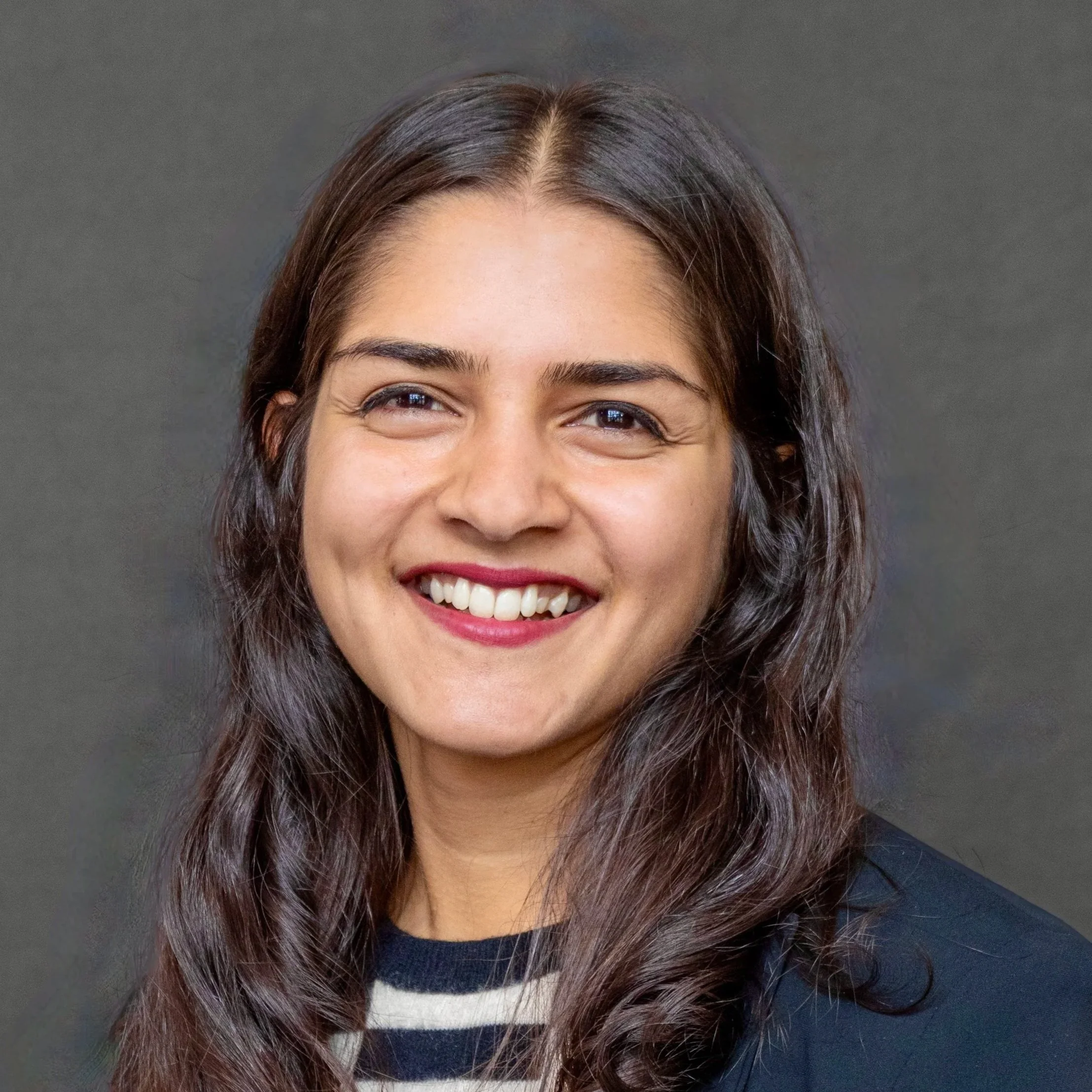
Ananya Mayukha’s research focused on how people develop a narrative identity that can help make sense of challenging world events.

Kyungmin Nam’s research focused on how agency and morality influence people’s judgments of authenticity.

Chareina Johnson’s research focused on the role of existential isolation in first-generation college students’ academic help-seeking.

Rebecca Ward’s research is focused on the how self-essentialist beliefs in people’s life narratives impact meaning in life.


Lydia Needy’s research is focused on state authenticity as fit to the environment among LGBTQ individuals.

Grace Hart’s research is focused on what people think and feel about death and how these contribute to suicide risk

Neil Wegenschimmel’s research explores the way people navigate uncertainty and existential nihilism, with implications for misinformation and conspiracy mentalities.

Bao Han Tran’s research explores how the perception of time—slow, normal, fast—impacts people’s experience of social pain.

Jon Sundby’s research explores the role of ego integrity in mitigating death anxiety in adult development and aging.

Michael Mask’s research has explored nostalgia, cross-cultural similarities in meaning in life, and spirituality.

Mark Matthew’s research explores the existential side of choice, culture, and narrative identity.

Dr. Emily Courtney’s research explores the existential side of breast cancer, objectification, and health.

Natalie Fuchs’ research explores existential isolation and the power of I-sharing to create bonds across otherwise disparate groups.

Phoebe McKenna-Plumley’s research applies both qualitative and quantitative methods to study existential loneliness

Ethan Trieu’s research explores the impact of meaning and purpose in education on academic self-efficacy.

Da Ye Lee’s research explores the impact of emotion regulation on feelings of authenticity.

Joseph Maffly-Kipp’s research found that people with depression can experience anxiety as an authentic self-expression.

Ana Tello’s research explores the effects of fixed (vs. growth) mindsets and self-compassion on mental health.

Muireann O’Dea’s research explores the experiences of boredom, self-compassion, and meaning in life.

Jonah Li’s research studies meaning and purpose in life and the impact of free will and determinism beliefs on meaning.

Shoko Watanabe’s research explores stability and change in religious doubt and engagement.

Alex Sielaff’s research studies the relationships between mystical experiences, existential isolation, and meaning in life.


Stylianos Syropolous’s research studies impact-oriented and reputation-focused intergenerational concerns in legacy motivations.

Sheila Umemoto’s research explores resilience against suicide, especially among soldiers.
The Science of Existential Psychology
The science of existential psychology applies the research methods of contemporary psychological science to better understand the existential dynamics of the human condition. ISSEP’s mission is to support the discovery, communication, and application of key research findings in existential psychology.

Announcements

Curated collections of syllabi (w/ reading lists) for many courses related to existential psychology, as well as textbooks, handbooks, popular books, documentaries, and other teaching aids.

As a member, you’ll have access to resources, support materials, and other great features—research grants, annual awards, curated teaching materials, discounts, events, and much more! Join today!

You can support our mission, overall, and you can even support specific initiatives. As a non-profit 501(c)(3) public charity, all donations are tax-deductible.

The store is open! Check out our many available selections for women, men, kids & youth, footwear, bags, blankets, drinkware, tech accessories, and giftcards. Shipping worldwide!