
The Social Neuroscience of Authenticity

By Nicholas Kelley, University of Southampton. April 15, 2026.
“The brain does not exist in isolation but rather is a fundamental component of developing and aging individuals who themselves are mere actors in the larger theatre of life.”
The Cultural Allure of Authenticity

Authenticity has become a cultural obsession. Commentators describe the current era as the “age of authenticity” (Wilkinson, 2018), and Merriam-Webster named it the 2023 word of the year (BBC, 2023). Calls to “be your true self” now echo across many corners of life: schools and workplaces promote it, wellness programs prescribe it, and it is celebrated in the arts, fashion, film, and song. Self-help books, blogs, and popular media reinforce the same message. Across ages, cultures, and contexts, people are expected to pursue authenticity (Bauer, 2017; Ferrara, 1993; Guignon, 2004).
Although this fascination may feel new, the idea is deeply rooted. Aristotle reflected on authenticity more than two millennia ago (Thomson & Tredennick, 1976). Later, existential philosophers (Golomb, 1995), sociologists (Erickson, 1995), and psychologists (Sedikides & Schlegel, 2024) have grappled with its meaning. Yet despite this long lineage, its core nature remains difficult to pin down (Baumeister, 2019; Hicks et al., 2019), but insights from social neuroscience may bring us closer to grasping what authenticity really means.
What Social Neuroscience Brings
Gordon Allport famously defined social psychology as the scientific study of how people’s thoughts, feelings, and behaviors are influenced by the real or imagined presence of others (Allport, 1985). Social neuroscience builds on this foundation by examining these same processes through neural, endocrine, and immune system mechanisms. As the opening quotation suggests, the brain and social life are inseparable.
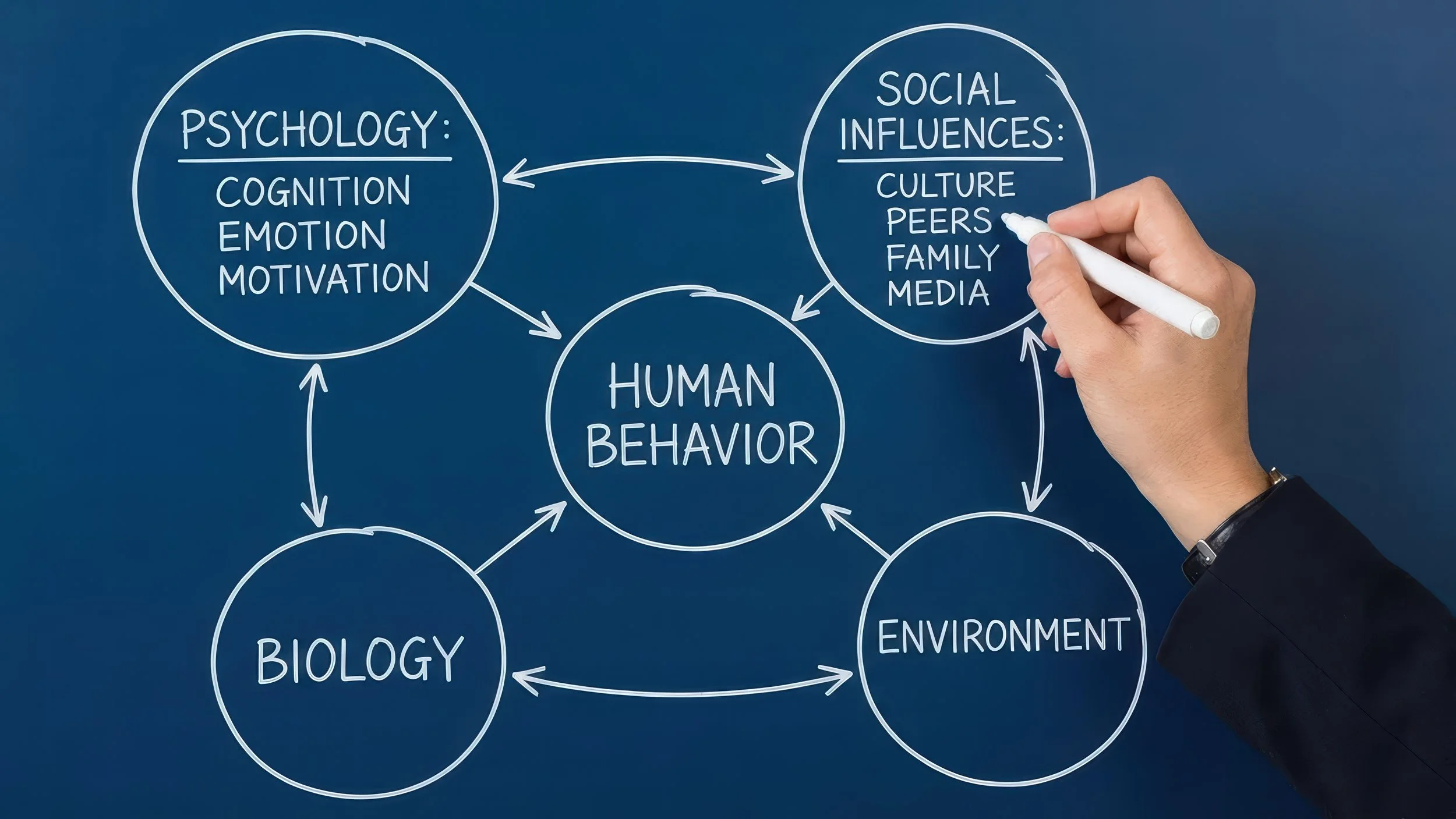
In their seminal 1992 article, John Cacioppo and Gary Berntson not only coined the term social neuroscience but also introduced the doctrine of multilevel analysis (Cacioppo & Berntson, 1992). The doctrine of multilevel analysis proposes that human thought and behavior can be understood at different levels of organization, ranging from the neuroscientific (a “microscopic” level of analysis) to the social psychological (a “macroscopic” level of analysis). Insights at one level can inform, refine, or constrain conclusions at another.
This approach underscores three key points. First, social behavior emerges from interactions across levels of analysis rather than only from brains or societies in isolation. Second, a multilevel perspective encourages integrative thinking that connects biology, psychology, and social life. Third, combining levels can yield insights that no single level would predict on its own.
Social neuroscience is therefore not a reductionist approach to studying the mind or social behavior. It seeks to link levels of explanation so that what researchers learn about the brain can illuminate behavior and social life, and vice versa. This doctrine is not abstract theory but a practical guide for research. By connecting biological, psychological, and social levels of explanation, social neuroscience has generated new insights into longstanding questions.
Before turning to the neuroscience of authenticity, it is useful to consider how the multilevel perspective has advanced related areas of self and identity. To illustrate, I highlight three cases where this approach has offered fresh perspectives: intergroup relations, persuasive messaging, and narcissism.
How Does Feeling Low on Resources Change How We See Others?
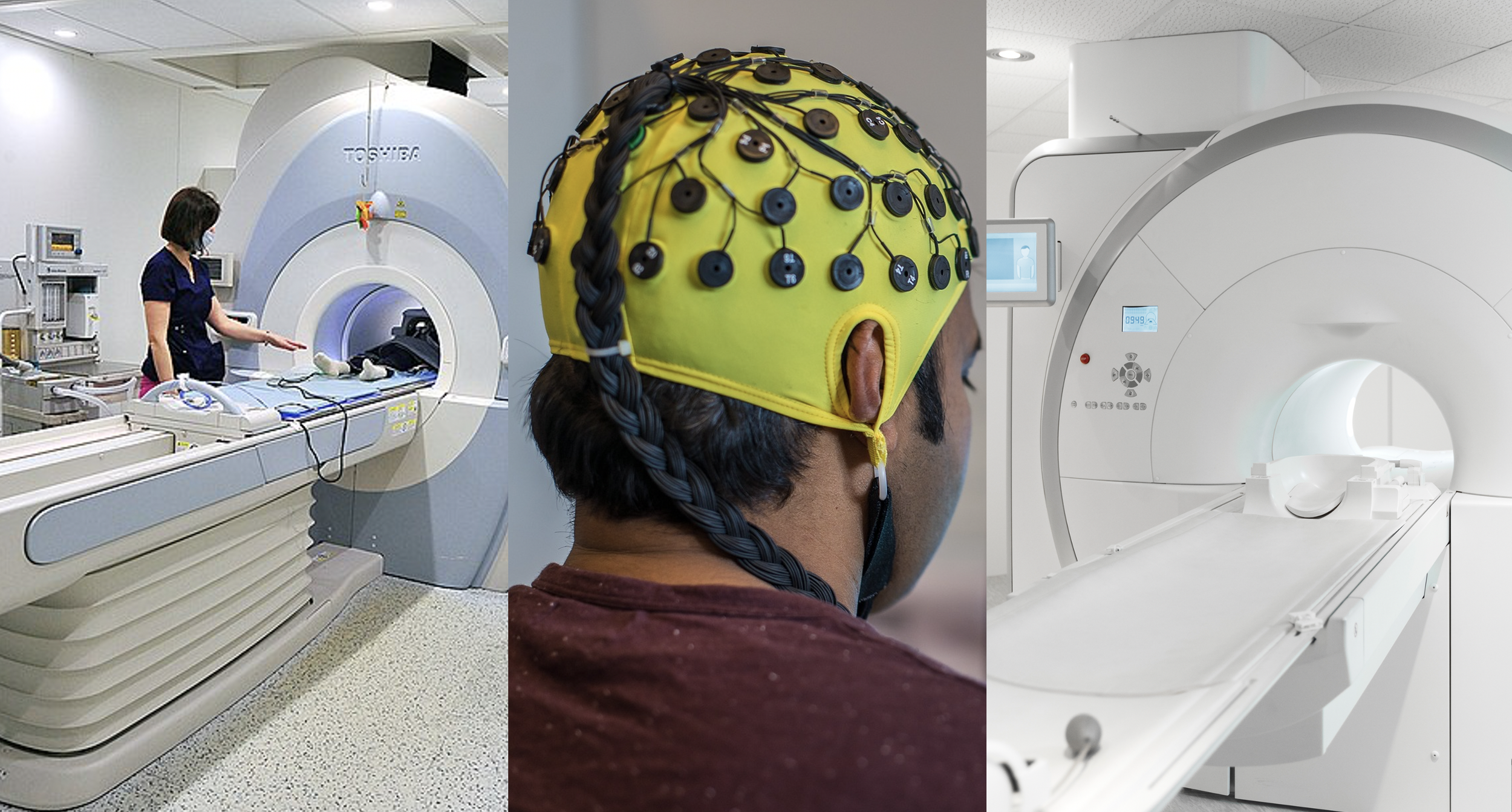
Brain imaging with functional magnetic resonance imaging (fMRI), cranial electroencephalogram (EEG), and positron emission tomography (PET).
Amy Krosch and David Amodio examined how scarcity shapes the way the brain processes faces of racial minorities (Krosch & Amodio, 2019). Participants were allocated a set amount of money to distribute in a fictitious resource allocation task, but were led to feel either resource abundance or scarcity. They then made allocation decisions about how much to share with others (depicted by photos of White or Black recipients) while their brain activity was recorded (EEG in one experiment, fMRI in another).
Across both methods, the pattern was clear: when resources felt scarce, participants’ encoding of Black (but not White) faces was impaired. This subtle reduction in attention translated into greater anti-Black/pro-White allocation decisions. By examining how economic scarcity (“macroscopic” level of analysis) influences neural markers of face processing (“microscopic” level of analysis) these findings highlight how a social neuroscientific perspective can contribute to new knowledge about the path from economic perceptions to racial prejudice.
Can Brain Activity in a Few People Predict the Success of Public Health Campaigns?
Emily Falk and her colleagues tested this question with smokers enrolled in a cessation program (Falk et al., 2012). While undergoing fMRI, participants viewed anti-smoking ads from three campaigns. After the fMRI, participants completed surveys rating each advertisement’s persuasiveness, appeal, and effectiveness. To assess real-world impact, the researchers compared Quitline call volume (1-800-QUITNOW) in the month before and after each campaign aired, controlling for factors such as media reach.
The striking result was that activity in the medial prefrontal cortex predicted which campaigns succeeded at the population level, whereas participant self-reported ratings of campaign persuasiveness, appeal, and effectiveness did not. A social neuroscience perspective here revealed something that traditional measures could not: the brain data of a small group forecasted the behavior of thousands of people. These findings have been replicated and extended to other health behaviors including sunscreen use and physical activity (for a review see Falk & Scholz, 2018; Pei et al., 2019)

Are Narcissists Fragile at Their Core, or Do They Simply Tune Out Mistakes?
Psychologists have long debated this question, and our lab has begun testing it neuroscientifically. The mask model (Kernberg, 1975; Kohut, 1966; Freud, 1914) predicts that narcissists are fragile beneath their confident exterior. Based on this, we predicted that those higher in narcissism would have heightened neural responses to errors (i.e., larger error-related negativity [ERN]) than those lower in narcissism. The metacognitive model (Hardaker et al., 2021; Horvath & Morf, 2009) instead argues that they maintain a robust self-image by dismissing mistakes and shortcomings. Based on this, we predicted that those higher in narcissism would have weaker neural responses to errors (i.e., smaller ERN) than those lower in narcissism.
We tested these accounts by recording EEG while participants performed a speeded Flanker task (i.e., a measure of attentional focus), with and without trial-by-trial feedback (Robins et al., Under Review). Across both experiments, higher levels of grandiose narcissism were linked to a blunted ERN, even when errors were made explicit. This challenges the mask model and supports the metacognitive view, illustrating how social neuroscience can resolve theoretical debates by tying neural signatures to competing perspectives on personality.
Authenticity: Competing Psychological Views
The examples above show the value of a social neuroscience perspective. Rather than replacing psychological theories, neuroscientific research provides a way to test competing predictions and refine their conclusions. This raises a natural question: if social neuroscience can contribute to conversations about prejudice, persuasion, and narcissism, might it also help resolve long-standing debates about authenticity? Three influential perspectives about the nature of authenticity have emerged.
The first views authenticity as self-accuracy. In other words, as an honest and unbiased representation of one’s identity (Kernis & Goldman, 2006). People high in authenticity report being eager to, rather than avoidant of, exploring identity-relevant information (Kernis & Goldman, 2006). They are also less defensive when faced with evidence that their past behavior did not match their ideals (Lakey et al., 2008). Yet self-accuracy is difficult to measure (Vazire & Wilson, 2012). The authentic self cannot be directly observed, and both self and informant reports are prone to error. Even people who see themselves as unbiased still describe themselves more positively than negatively, which raises the question of whether true self-accuracy is possible at all (Gillath et al., 2010).

A second perspective emphasizes self-consistency, that is, authenticity is the alignment of behavior with internal standards, goals, or values (Kernis & Goldman, 2006; Wood et al., 2008). Supporting this view, self-reported felt authenticity is linked to self-rated overlap across roles in life (Boucher, 2011), experimental manipulations of identity integration increase felt authenticity (Ebrahimi et al., 2020), and incongruence between gender identity and an assigned self-presentation reduces authenticity (Dormanen et al., 2020). Still, people often regard socially desirable behaviors as authentic whether or not they are consistent with the self (Sheldon et al., 1997). They report feeling authentic when behaving positively rather than negatively, even if the underlying traits are not central to their self-concept (Fleeson & Wilt, 2010), and they evaluate personally desirable behaviors as more authentic than undesirable ones (Jongman-Sereno & Leary, 2016).
A third perspective sees authenticity as self-enhancement, that is, the tendency to exaggerate the positivity of one’s strengths and minimize the negativity of one’s weaknesses. People typically regard their true self as positive and moral (Strohminger et al., 2017). Endorsing highly positive traits is linked to endorsing authenticity (Bailey & Iyengar, 2023), and daily self-aggrandizement predicts in daily increases in felt authenticity (Guenther et al., 2024). People also judge positive life changes as guided by authenticity (Bench et al., 2015), consider themselves more authentic when expressing positive traits (Bailey & Iyengar, 2023), and report heightened authenticity after positive feedback or when imagining a kinder, more caring future self (Guenther et al., 2024). Experimental inductions of authenticity lead participants to think they are more honest, kind, responsible, intelligent, and competent than their peers (Guenther et al., 2024). At the same time, self-reported authentic individuals sometimes try to strategically present themselves as authentic, even when doing so conflicts with their actual experiences (Hart et al., 2020), perhaps because authentic actors are seen as more likeable in group settings (Rivera et al., 2025). Taken together, these findings suggest that authenticity is inseparable from self-enhancement, leading some to question whether it reflects anything more than seeing oneself in a favorable light (Jongman-Sereno & Leary, 2019).
The Social Neuroscience of Authenticity
Across these perspectives, the central question is clear: Is authenticity simply another way of feeling good about the self, or does it also involve the willingness to acknowledge one’s flaws? My laboratory has applied a social neuroscientific lens to this issue by comparing how the brain processes information about two facets of identity: the authentic self and the presented self.
The presented self offers a natural benchmark, because it is strongly oriented toward positivity and carries high social stakes. How people present themselves affects cooperation, reputation, and access to social and professional resources (Dores Cruz et al., 2021; Vonasch et al., 2018). Self-presentation typically emphasizes strengths while concealing weaknesses (Baumeister, 1982; Roth et al., 1986). Though people describe both their presented and authentic selves positively, people describe their presented self with more socially desirable traits than their authentic self (Schlegel et al., 2009).
By directly comparing the authentic self with this benchmark of positive self-presentation, we asked whether authenticity is simply about self-enhancement or whether it also involves being accurate and consistent about who we are.
Is Authenticity More Than Self-enhancement?
In our first article, we tested this question in two experiments using a self-referential task (Huang et al., 2025). Participants judged whether a series of positive and negative traits described either their authentic self or their presented self. In the first experiment, the behavioral results revealed the familiar self-positivity effect: participants endorsed positive traits and rejected negative traits more readily than the reverse. Importantly, this effect was weaker for the authentic self than for the presented self. People were more willing, and faster, to accept negative traits as descriptive of their authentic self, pointing to a broader and less defensive style of processing.
In the second experiment, we recorded EEG while participants completed the same task. Early neural responses revealed an asymmetry: P1 activity (P1 is an early parieto-occipital activity component, occurring around 60 milliseconds [ms] after an event, reflecting rapid sensory amplification and initial discrimination of emotionally salient, particularly threatening, stimuli) was larger when negative traits were endorsed for the presented self, suggesting rapid mobilization to potential threat, whereas N170 activity (N170 is an activity component, peaking around 170 ms, indexing early attention to visual stimuli, including emotional faces and words) was larger for positive traits describing the presented self, reflecting minimization of earlier negativity. This mobilization–minimization dynamic was less pronounced for the authentic self, consistent with the idea that it is more stable and less in need of defence. At later stages, the LPP (LPP is sustained centroparietal activity, beginning around 400–500 ms, reflecting prolonged, elaborative processing of emotionally and self-relevant information) was larger when endorsing traits (positive or negative) for the authentic self, indicating deeper elaboration of authentic self-representations. Taken together, the results challenge the view that authenticity is merely self-enhancement. Certainly, self-enhancement is a big piece of the authenticity puzzle. However, our results show that authentic self tolerates negativity to a greater degree than the presented self. This result is more readily supported by self-consistency and self-accuracy perspectives, though more research is needed.
In a second article, we tested this question with a different paradigm, the self-referent emotional Stroop task (Huang et al., under review). Participants saw positive and negative trait sentences that referred to either their authentic self (“I am genuinely honest”), their presented self (“I am outwardly honest”), or a neutral control (“It is clearly honest”), and named the color of the text while ignoring the meaning. The behavioral results revealed a clear split between selves. For the presented self, responses slowed to negative traits, indicating interference from threat. For the authentic self, responses were actually faster to negative than positive traits, suggesting reduced defensiveness and greater tolerance of flaws. The EEG data reinforced this pattern. For the presented self, negative traits elicited larger early P1 responses (mobilization) and positive traits elicited larger later P3 responses (P3 is an activity component, around 300 ms, reflecting attention allocation and deeper processing of infrequent, surprising, and self-relevant stimuli), reflecting a sequence of initial vigilance to threat followed by a shift toward positivity. The authentic self, in contrast, showed comparable amplitudes for positive and negative traits at both stages, signalling more balanced self-relevant information processing.
In all, our findings show that the authentic self is not defined solely by self-enhancement. Presented selves show a strong drive toward positivity and defence against threat. Because authentic selves make some room for both positive and negative self-relevant information, they show this drive to a smaller degree. Within the constraints of our paradigm (i.e. comparing the authentic self against the highly positive presented self), the results provide support for the self-accuracy and self-consistency perspectives, which emphasize acknowledging flaws and aligning behavior with inner standards. A social neuroscience perspective therefore provides unique support for these views, showing that authenticity may be more than just “feeling good about the self.”
The Future of Social Neuroscience on Authenticity
How can social neuroscience continue adjudicating between these theories of authenticity? EEG evidence, as our lab has shown, provides valuable insight into the timing of self-related information processing, but fMRI offers complementary information about where in the brain these processes unfold.
One promising region is the medial prefrontal cortex, which meta-analyses identify as a hub for self-referential judgments (Denny et al., 2012; Murray et al., 2012). Lesions to this region eliminate the self-reference memory effect (Marquine et al., 2016; Philippi et al., 2012). Close others, such as friends and family, can also engage the medial prefrontal cortex, but the self does so more strongly and with distinct neural populations specialized for self-processing (D’Argembeau et al., 2007; Feng et al., 2018; Heatherton et al., 2006; Levorsen et al., 2025). This engagement does not simply reflect whether something describes the self, but whether it is important to the self (Levorsen et al., 2023). In this way, medial prefrontal cortex responses scale with proximity and significance to the self. If authenticity lies at the core of identity, the authentic self should elicit stronger medial prefrontal cortex activation than the presented self.
Reward-related brain regions, especially the striatum, also provide a critical test. Thinking about oneself engages the striatum and is experienced as rewarding (Greck et al., 2009), and self-relevance enhances striatal responses during emotional image viewing compared to non-self-relevant (Northoff & Hayes, 2011). If authenticity is primarily a form of self-enhancement, it should increase striatal responses and strengthen functional connectivity between the medial prefrontal cortex and striatum relative to the presented self. By contrast, evidence that the authentic self does not preferentially recruit reward-related brain regions but instead engages those regions linked to introspection or conflict monitoring, would support the self-accuracy and self-consistency perspectives.
Together, these directions highlight opportunities for social neuroscience to continue adjudicating between theories of authenticity, showing that the task of understanding the nature of authenticity is far from complete.
What Social Neuroscience Teaches People About Living Authentically
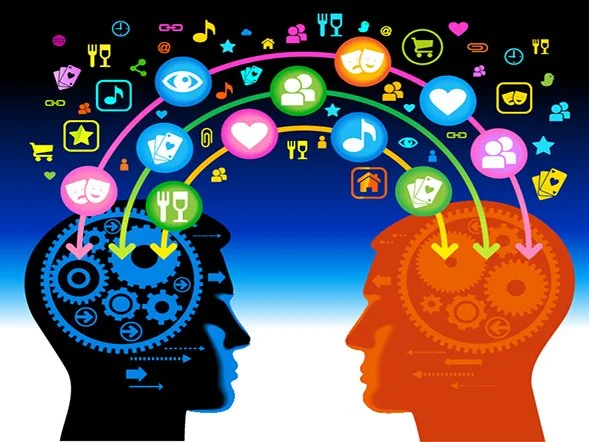
Social neuroscience sharpens our understanding of authenticity by showing that it cannot be reduced to self-enhancement alone. Although self-enhancement remains a powerful force in shaping self-views, our findings suggest that authenticity also involves elements of self-accuracy and self-consistency, including the willingness to acknowledge negative traits. Linking psychological theories to neural evidence makes it possible to adjudicate between competing perspectives and to clarify what authenticity really entails.
Existentially, authenticity is not about presenting a polished image but about sustaining a self that is less sanitized, more robust, and more significant. People’s authentic selves accommodate imperfections without collapsing into defensiveness, allowing us to build identity, meaning, and wellbeing on a broader foundation. In this sense, authenticity is resilient, capable of integrating both light and shadow. The findings speak to the challenges of living in a world saturated with curated self-presentation.
From social media feeds to professional performances, individuals are continually encouraged to manage impressions and highlight only their most favorable qualities. Against this backdrop, authenticity requires room for imperfection, an openness to expressing weakness as well as strength. Such openness may not only benefit individual wellbeing but also strengthen trust and cooperation in social life, where authenticity is valued precisely because it feels less manufactured.

Dr. Nicholas Kelley is an Assistant Professor in Social Psychology at the University of Southampton, where he directs the Southampton Social Neuroscience Laboratory (socialneuro.co.uk). He received his Ph.D. in Social Psychology from Texas A&M University and completed postdoctoral training in Clinical and Affective Neuroscience at Northwestern University. As a social neuroscientist, his research uses cognitive neuroscience methods (electroencephalography, functional brain imaging, brain stimulation) to address questions about self-regulation, emotional processes, and the structure and function of the self. Currently, his laboratory is testing the existential consequences of self-control exertion, developing a neurocognitive model of narcissism, and adjudicating between competing accounts of authenticity (e.g., self-enhancement, self-accuracy, and self-consistency). He was named a Rising Star by the Association for Psychological Science (2021), elected a Fellow of the Society for Experimental Social Psychology (2023), and received the ISSEP Innovation in Existential Psychology Research Conference Award (2025).